Legal Services

How to Access Our Services

To access any of the Legal and Non-Legal services, you’ll first speak with an Intake Officer, who will guide you through an intake process to understand your needs and confirm your eligibility for our services.

You can contact us via telephone, email, website or visit one of our offices in Ceduna, Port Augusta and Port Lincoln.

Please contact our offices and ask to speak with an Intake Officer for further information on our eligibility criteria.

Who We Help

Aboriginal and Torres Strait Islander victim-survivors of family and domestic abuse and sexual assault.

Parents or Carers of Aboriginal and and Torres Strait Islander children.

Families and Communities that are affected by violence.

We cannot help perpetrators of family and domestic abuse and will refer them to another service.

Our Lawyers and How We Can Help

Our Lawyers offer telephone, video-conferencing and face to face appointments.

Clients are able to access interpreter services.

Our Lawyers can:

  • Give legal advice and options;
  • Write letters;
  • Negotiate;
  • Draft parenting plans or parenting order;
  • Get copies of records;
  • Go to Family Dispute resolution with you;
  • Help with Court documents; and
  • Go to Court with you.

Family Violence and Intervention Orders

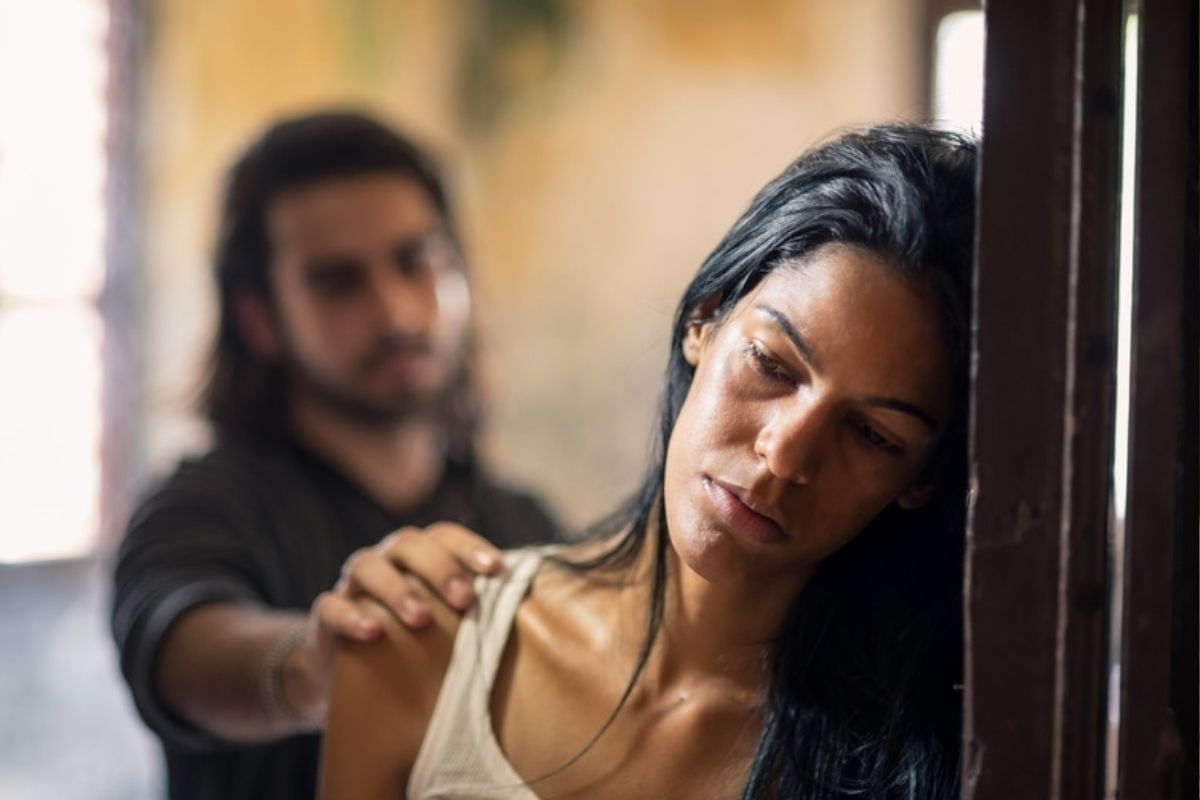
Family and Domestic Abuse is when someone close to you hurts or threatens you. This could be:

  • Your partner;
  • Your boyfriend or girlfriend;
  • Your husband or wife;
  • A member of your family.

If you have been the victim of family or domestic abuse or sexual assault, our lawyers can:

  • Give you confidential information and advice;
  • Help with safety planning;
  • Get a copy of your Intervention Order for you;
  • Help you apply for an Intervention Order;
  • Help you to change an Intervention Order if it is
  • not working for you;
  • Write a Victim Impact statement;
  • Link you with victim support services, such as counselling or the Family Violence Intervention Officers at SAPOL;
  • Apply to be on the Victim’s Register;
  • Apply for the Domestic Violence Disclosure Scheme; and
  • Apply for Victims of Crime compensation.

Child Protection Matters

What is Child Protection?

Child Protection is about keeping kids safe from harm. The Department for Child Protection (DCP) are the mob in charge of keeping kids safe in South Australia. Some people call DCP ‘welfare’.

DCP can get involved with a family if they are worried that kids are not being looked after properly or are at risk of harm. If your family has been contacted by DCP, you can get legal advice and non-legal support from our service. It is best to get advice and support as soon as possible.

DCP can work with families to find ways to make the home safer. This might be a safety plan or asking parents to do counselling. If DCP are very worried, they can take kids into foster care. If this happens, DCP will choose who the kids will live with. The Youth Court makes child protection orders to say how long the kids will be in foster care.

Legal Advice is Important!

If you are worried DCP might become involved with your family, you should get legal advice as soon as possible. There might be better ways to make sure the kids are safe. For example, going to the Federal Circuit and Family Court before DCP get involved.

The Aboriginal Child Placement Principle

There are special rules about how Aboriginal or Torres Strait Islander kids are cared for. DCP should follow the Aboriginal and Torres Strait Islander child placement principle.

DCP should try to place kids with –

  • A member of their family – such as an Aunty,
  • Grandparent or Cousin;
  • A member from the same community; or
  • A person of the same cultural background.

If kids can’t be placed with family, they should be given the chance to have contact with their family, community or culture. Ask DCP if you want a person or a family to look after your kids. DCP will decide if this person is safe and can care for the kids.

Kids & Family Law

Our lawyers can give legal advice and representation in family law matters.

Family law matters we can help with include:

  • Children’s issues – if you can’t agree on things with the other parent or carers;
  • Separation and divorce;
  • Some property settlement matters;
  • Making or changing parenting plans or parenting (Court) orders;
  • Dispute Resolution (mediation); and
  • Location and recovery orders.

We can help:

  • Parents – such as if you are girlfriend or boyfriend, a same sex couple or married;
  • Kin Carers – such as Grandparents, Aunties or Uncles, sister or brother (over 18 years); and
  • Adults that are worried about the and safety of a child.

The Federal Circuit and Family Court of Australia for South Australia is based in Adelaide.

The Federal Circuit and Family Court has a specialised Indigenous Court List for Aboriginal and Torres Strait Islander families going through Court. The Court process for families in the Indigenous List is less formal.

Families can be supported by an Indigenous Family Liaison Officer to give information, support and understand what is happening. For more information visit – https://www.fcfcoa.gov.au

Victims of Crime Compensation

If you are a victim of a crime, you may be entitled to apply for victims of crime compensation.

Claims can be made for:

  • Physical injuries – cuts, bruises, scarring, broken bones, dental work;
  • Psychological and mental health injuries – anxiety, depression, PTSD;
  • Pain and suffering;
  • Financial losses;
  • Treatment costs or loss of wages.

When Should I Apply?

Claims should be made within 5 years from the date the offence happened.

Late claims are allowed if you can explain why it took a longer time – this is not uncommon.

You should get legal advice about this.

If you think you have a legal problem that’s not been covered in the list above, please call one of our offices to see if we can help.

There is a message bank service for calls received after operating hours. Please leave your name, number and a brief message and we will return your call as soon as possible during operating hours.